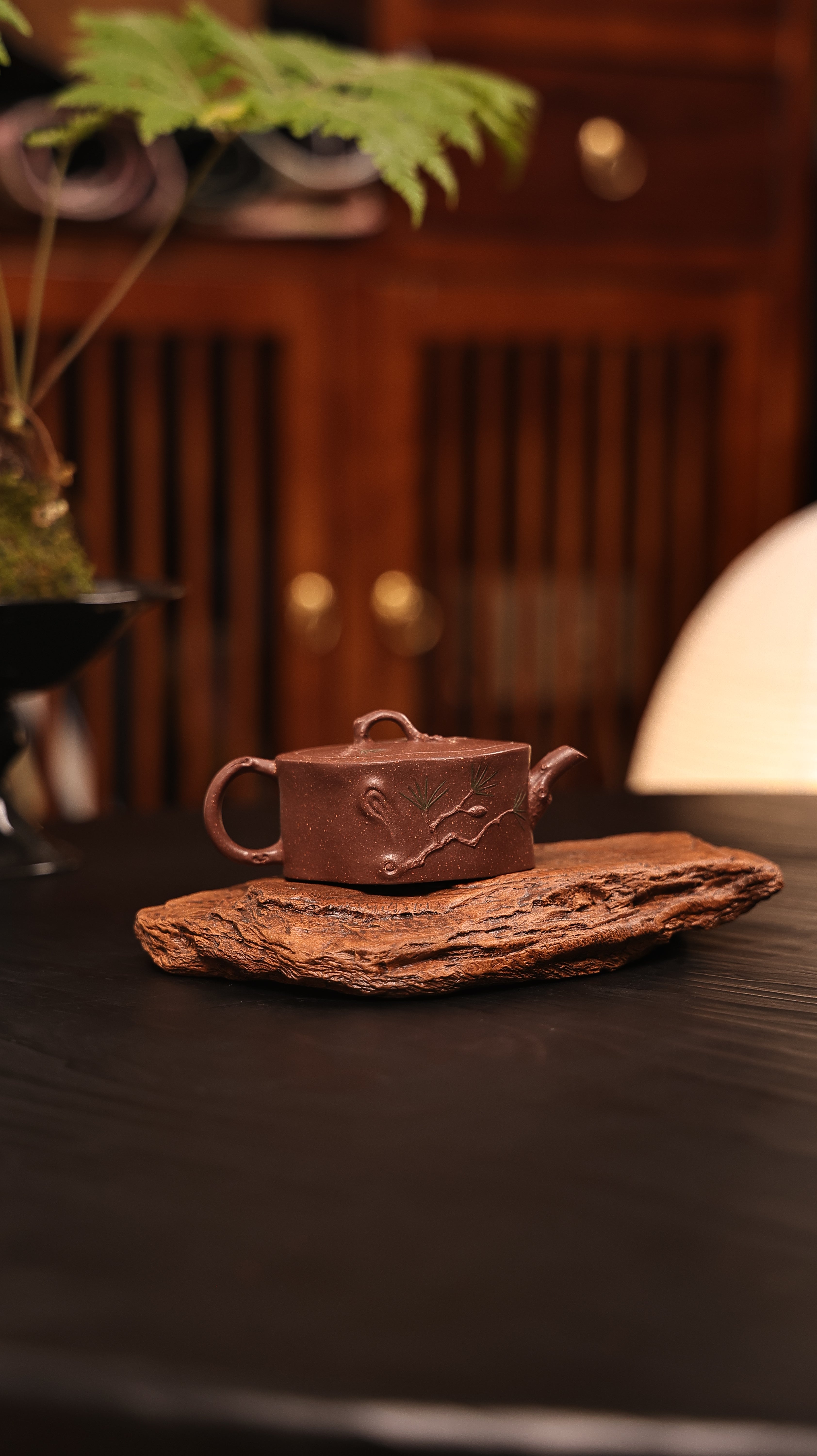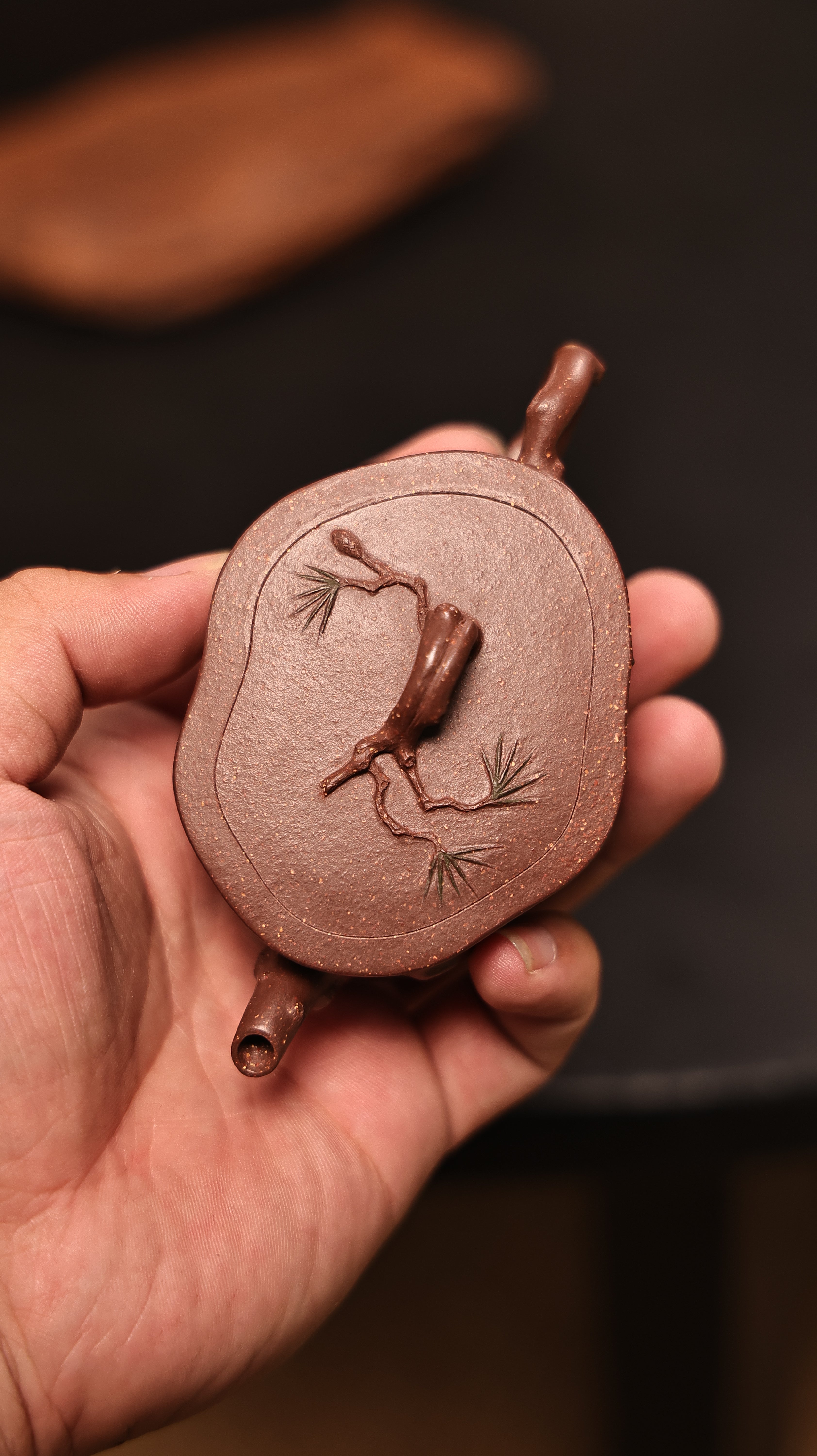
Epochs in lovers have long cherished the particular magnetism of Yixing Zisha pitchers. Founded in the secluded town of Yixing, the homeland, these urns are constructed from a infrequent and quarried purple clay celebrated for its outstanding thermal properties and efficacy to intensify the essence of brews. Beyond their valuable asset, Zisha teapots reflect a rich legacy roots, transforming them immensely prized and a undisputed jewel for any serious teapot connoisseur.
Discovering Yixing Earthenware
Yixing teapots display a unusual blend of history and experienced craftsmanship. Rooted in Yixing, Jiangsu Province of China, their narrative originates in the Ming Dynasty, although documentation suggest earlier forms. The unparalleled reddish-brown clay, called Zisha, found merely in the Yixing region, is the integral component, contributing to the pots' excellent heat keeping and the manner they affect the quality of tea. Lineages of potters have perfected techniques—often passed down through families—including designing the clay, applying sophisticated embellishments, and firing the pots at controlled temperatures.- Historically, Yixing teapots were often enhanced with simple designs.
- Later, more advanced carvings and figurative motifs became accepted.
- The baking itself is a indispensable element, requiring long durations of mastery.
Assembling Zisha Teapots: Important Guidelines
Setting out on a pursuit to assemble Zisha earthenware can be enjoyable, but it’s imperative to grasp what to inspect. Authenticity is paramount; focus on the terrain’s natural hue, a soft reddish-brown is conventional. Examine the texture; genuine Zisha has a notable tactile sensation, often expressed as slightly rough. The configuration should be attractive and consistent with traditional styles, while maker’s marks, if present, require precise examination for veracity. Don’t delay to consult with expert connoisseurs or respected sources – their expertise is irreplaceable.
Oriental Pots: Delving into the Legacy of authentic Purple Ware
Millennia have seen Yixing Zisha teapots hold a significant role in Chinese heritage. These skillfully Yixing Teapot produced pots, sourced exclusively from the area of Yixing, are celebrated for their identifiable tone, grain, and their ability to amplify the bouquet of brews. Various collectors strive for antique Yixing teapots, prizing them greatly not only for their aesthetic beauty, but also for the story they embody.
Yixing Zisha Teapots: Unique Leading Classes and Their Traits
Purple Earthenware teapots, established in the authentic territory of Yixing, the Chinese territory, are noted for their special clay and exceptional brewing qualities. Among the countless Zisha types, notable classes that are highly admired include Zhuni. Binzhou, known for its dark purple shade and smooth texture, delivers a tempered flavor. Duan Ni category, recognizable by its auburn color and mildly grainy feel, is said to enhance tea’s substance. Lastly, Zhuni sort boasts an extraordinary scarlet tone and can impart a nice nuance. Each sort delivers a different experience, facilitating them notably desirable with beverage enthusiasts.
Perfecting Individual Clay Kettle
To reveal the power of your Yixing kettle, appreciating the correct way is vital. These clay pots, celebrated for their passability, will progressively accept the soul of the tea you prepare within them. Begin by scraping the container thoroughly with hot water. Then, use only first-class broken leaf tea, as lower quality options can spoil the teapot’s delicate taste. Always enable the leaves to unfurl completely, and remember that with each application, your Yixing pot will become perpetually distinct.
Protecting Your Invaluable Zisha Artifact
Proper upkeep for your Zisha kettle is crucial to safeguarding its beauty and merit. Zisha clay, celebrated for its unique shade and texture, requires delicate handling. Never use stringent substances, as these can spoil the glaze. After every application, rinse the vessel with lukewarm water and allow it to evaporate completely.
- Avoid soaking the kettle for extended stretches.
- At intervals use a soft towel to polish the exterior.
- Reflect on applying a thin layer of food-grade lubricant inside the vessel after drying, which can limit staining.
Fundamentals of Yixing Containers
Yixing kettles, originating from the Yixing sector in Jiangsu Province, located in China, are celebrated for their distinctive aspects. Formed from the unique purple material known as Zisha, these urns are prized by beverage enthusiasts worldwide. This manual will clearly explain the nuts and bolts – covering varieties of Zisha material, well-liked shapes, and fundamental care tips. Understanding the origin of Yixing containers can boost your appreciation for this acclaimed example of Mandarin heritage.
Skill of Mandarin Containers: Showcasing Zisha deriving from Yixing City
Zisha ware from the Yixing area represents the summit of Oriental kettle design, projecting a exceptional concoction of natural beauty and functional artistry. These remarkable pieces are recognized for their deep hues, often extending between intense purples and red hues to soft greys and light beiges. The distinct mineral composition of the area’s Zisha material imparts a defining texture and yields a satisfying aroma that elevates the total brew experience, rendering them highly sought-after collectibles and integral components of any serious tradition.