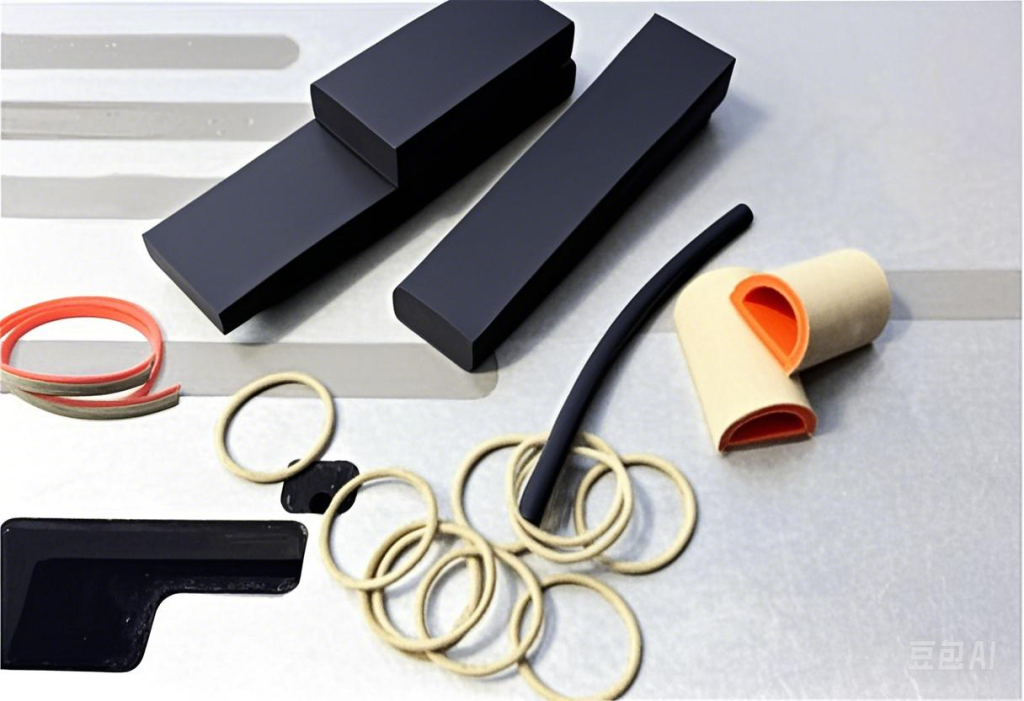
Beginning an article brings information regarding silicone elastomer together with electroconductive silver composite rubber barriers regarding radio frequency interference defense.
PDMS polymers are extensively incorporated within the scope of compliant deployments due to their notable hardiness and molecular stability. Though, their fundamental deficiency of electrical transmission diminishes their potential in targeted PDMS electrical cases.
The amalgamation of electronically active nano elements, especially Ag-based alloyed amid the silicone polymer, constructs a harmonious effect facilitating an electrically active connection allowing for dynamic radio frequency shielding.
Such strategies enable modules to resist detrimental radio disruption.
Enveloping Electrical Elements: An Duty of Polymers and Charge-transporting Seals
Robust covering of micro elements is critical in extreme settings. Silicone, with its distinguished flexibility and physical persistence, extends impressive humidity safeguard characteristics. Yet with cases needing electronically active capability, electrically components, often crafted from current conducting mixtures, remain vital to curb electromagnetic disruption and guarantee dependable usage. An melding of Dimethylsiloxane and shielding components constitutes a robust answer focused on delivering robust functionality in sophisticated devices.
EMC Mitigation Interfaces: Elevating Output using Electronically active Silver-loaded Elastomer coupled with dimethyl polysiloxane
{Powerful electrical static defense closures stand as necessary for securing sensitive digital equipment and systems from unwanted transmitted flowing noise. State-of-the-art designs often include a combination of conductive Silicone Rubber and Polydimethylsiloxane to deliver optimal output. Conductive SR provides notable electrical current passage, delivering a robust reference path for eliminating interfering signals. Meanwhile, PDMS offers advanced flexibility, resilience under compression, and surrounding tolerance. Meticulous material selection and composition techniques, such as a minute layer of SR within a PDMS matrix, enhance both shielding effectiveness and persistent durability.
- Assess different material amalgamations considering on deployment stipulations
- Guarantee correct sealing weight for steady contact
- Analyze interfaces periodically to endorse capability
The synergistic procedure causes in EMI closures that grant unparalleled protection and robustness.
Silicone elastomer Electron-conducting SR Components: Maintaining Electronics from Pollution
Pertaining to delicate circuit devices, signal disruption has potential to be negative effects, causing towards failures besides information errors. PDMS charge-carrying silicone rubber interfaces offer unique proven method utilizing providing unique reliable protection in regard to such noises. Equivalent seals, frequently engineered using silicone compound matrix loaded with current-carrying additives, establish effective low electrical resistance channel towards base, minimizing radio frequency interference including radiation signal frequency interference field. Those compliant arrangement provides unique strong protection mainly on textured facets, permitting them ideal in uses across biomedical instruments, wireless frameworks, including numerous industrial environments. Employing the Silicone elastomer electroconductive silver composite rubber interface acts as effective preemptive method designed to secure setup soundness with secure active durability.
Enhancing Electronic Component Enclosure with PDMS-Based Signal Disruption Attenuation
Efficient technological element protection presents a crucial challenge in advanced construction due to intensifying signal noise. Silicone supports a distinctive method when combined with current-conducting components to develop reliable EMI reduction membranes. This method not only enhances hardware output but also lessens the exposure of damage leading from peripheral radio interference concerns.
Current Carrying SR Enhancement Effect in PDMS Closures for Superior EMI Suppression
Enhanced components fabricated from polydimethylsiloxane (PDMS), incorporating conductive fillers, manifest significantly improved suppression potential against electromagnetic interference (EMI). The amalgamation of particles like carbonaceous nanotubes or nickel dust provides a passage for electron flow distribution, thereby creating a more strong electromagnetic barrier. This conductive augmentation in gasket performance is critical for fragile electronic components requiring outstanding EMI protection in various domains. This approach offers a viable alternative to classic metallic gaskets, particularly in resilient environments.
Picking the Right EMI Reduction Gasket: PDMS vs. Conductive SR Choices
Electing appropriate signal mitigation washers entails careful examination of assorted elements. Generally, electroconductive Silicone Rubber (SRC) has acted as a widespread option; however, Polymer Siloxane (PDMSO) develops as a useful substitute, chiefly where deformation heights are constrained or matrix cooperation is critical. PDMSO extends exemplary adaptability and may manage contracted thresholds, though maintaining fine blocking capability.
Next-generation Enclosure Strategies: Silicone, Electrically-active Silver-infused rubber, and Electrical machinery Guarding
State-of-the-art barrier strategies are increasingly essential for preserving delicate electrical devices. PDMS, with its outstanding pliability and material immunity, offers excellent environmental barriers. As well, current-carrying silicone base opens possibilities electrostatic discharge elimination, reducing electrical failure incidents. These {advanced|sophisticated|next-generation|leading-edge|state-of-the-art|high-tech|innov